
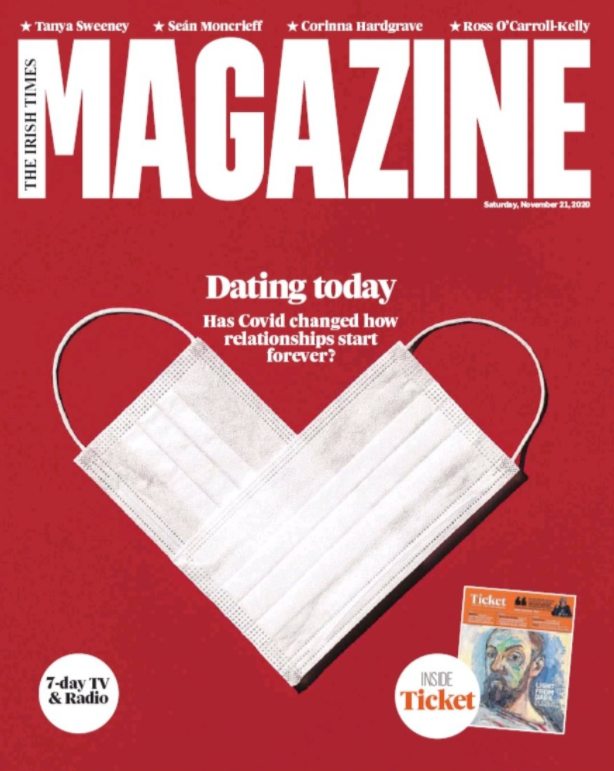
Irish Times Magazine: Dating in the age of Covid: ‘The minute we saw each other, we kissed’
Filomena Kaguako
HAS THE PANDEMIC LED TO THE DEATH OF HOOKUP CULTURE, AND HOW WILL SINGLETONS FIND ROMANCE IN THE FUTURE?
The dating scene was completely decimated as a result of Covid-19 restrictions. The threat of contracting and spreading a potentially lethal virus has impacted dating behaviours across the globe, and fluctuating social distancing measures over the last nine months in Ireland have plagued the romantic lives of single people.
A worldwide survey by online dating publication Miingle found that 38.2 per cent of single people continued dating during the pandemic, despite their country being in lockdown. So how have people been navigating romance in Ireland throughout the course of lockdown, and what are the implications of current dating trends for the future?
Dating and relationships coach Annie Lavin and international matchmaker Sarah Louise Ryan both say they are seeing fundamental changes in how singletons are relating to one another.
“The biggest way I have seen clients responding is that they’re seeking certainty,” Lavin says, “and as a result then, they’re almost skipping past those early stages and moving into relationship status very quickly.
“Generally speaking, relationships need space, time to grow and to flourish. But then there are also some relationships that will thrive in conditions where there is less space. It all depends on the couple and their ability to relate to one another.”
Ryan, who works in the dating industry in the UK and worldwide, credits the 300 per cent increase in inquiries to her matchmaking business to people struggling with dating during Covid.
“When we hit an adverse time, say politically, economically, and now it’s pandemically, what happens is we humans, we seek to connect with other humans. That’s just our natural reaction,” Ryan says.
Much like Lavin, who says “there’s an opportunity for singles to develop their self awareness and their relationship skills,” Ryan points to the various ways single people can benefit from taking this time to be more introspective.
'A single person seriously looking for a relationship in the near future will benefit from this lockdown and the reason being is, I am spotting a death almost of the hookup culture'
“I think for new singles it’s really important to use this time to take stock about what you want and what you don’t want, and to be really authentic,” she advises. “I’m seeing a lot of authenticity in dating right now and since March, particularly because people are really figuring out what they don’t want, as well as what they do want, and so there’s less game playing and real connection.”
Ryan says lockdown has had a significant effect on hookup culture, a culture that predicates on the physical and sexual aspect of a relationship rather than an emotional connection.
“I think a single person who is seriously looking for a relationship in the near future will benefit from this lockdown and the reason being is, I am spotting a death almost of the hookup culture,” she says.
However, Catherine Kennedy, who manages The Sexual Health Centre in Cork, an NGO funded by the Health Service Executive, is not so sure. The centre saw many people avail of their condom postal service since lockdown was first announced back in March.
“We had a contingency plan in place. We kind of knew that lockdown was on its way so we made sure that we had certain things in place and one of those, what we thought was a very simple idea, was just bringing the condoms home with us so we can post them out, and there was quite a large response to that,” she says.
The Sexual Health Centre normally has a clientele predominantly based in Cork City, Kerry and Waterford. However, during lockdown, people from all across Ireland made contact.
“It wasn’t even just single people hooking up with other people and using condoms, just couples who needed them who didn’t want to venture out to the chemist, weren’t quite sure what to do, didn’t want to go to the supermarket, you know. It was a broad range of age groups, and a broad demographic that reached out to us,” says Kennedy.
“Yes, it’s Covid,” she continues “and yes, people are supposed to be physically distancing. But we’re at this game a long time, [long enough] to know that what we should and must be doing isn’t always what we actually do in real life.”
This certainly rings true for Sarah* (34) who says she has “gone to three guys’ homes since the first lockdown”.
'I was bored after being at home for so long and lockdown and the stress of it all, so I was just looking for fun'
Based in Dublin, Sarah has been single for three years and has used dating apps sporadically in that time. She downloaded Tinder towards the end of April and since then, has had face-to-face encounters with three of her Tinder matches. One was a casual hookup, the second took her on a few dates, while the last one resulted in a string of casual encounters lasting two months.
Did she discuss social distancing measures prior to going on dates? Sarah admits that while they were often in agreement about practising social distance, it didn’t always pan out that way.
“We agreed initially over the phone that we’re going to socially distance and have coffee in a park,” she says of her last Tinder date, “but literally once we got there, we hugged and started talking and we sat next to each other.”
While she recognises that this breaks with official advice, Sarah says she sees herself as “just over the line in terms of guideline crossing.” She adds that the stress of lockdown forced her to re-evaluate what type of relationship she was looking for.
“I was bored after being at home for so long and lockdown and the stress of it all, so I was just looking for fun. I really wanted to find someone seriously, but you know being on your own since March and no interaction in work, no going out, no nothing, I was at a point where I was like ‘f**k this, just give me someone.’”
'If someone goes "the whole thing’s a conspiracy’, the "likelihood that you want to go out with that person is quite slim'
Single man, Jordan Robinson (27) from Northern Ireland, who met his previous long-term girlfriend on Tinder, also points to changes in hookup culture.
“I don’t necessarily think that this is the final nail in the coffin for the whole hookup culture,” he says. “I think it’ll adapt to the new kind of normal. To say that hookup culture would go away entirely, I don’t think it’s true, I just think it will adapt to the kind of circumstances that we’re in at the minute.
“I think everybody has different attitudes towards the severity of how they’re keeping to the restrictions,” says Robinson, “and I guess that’s just another thing that you have to find out if you’re compatible, because if someone goes ‘the whole thing’s a conspiracy’, the likelihood that you want to go out with that person is quite slim.”
Annie Lavin echoes Robinson’s sentiments towards dating compatibility. “People [who choose hookup culture] will probably still find that there’s other people who will meet their needs, and also do that,” Lavin says, “but it’s kind of a coping mechanism rather than anything else.”
Single public relations professional, Wayne Lawlor (34) believes Covid-19 has not marked the end of hookup culture.
“You can see people on the Grindr app are still having parties,” he says, “but I haven’t done it so I can’t really give an honest take on it.
“Swiping up and down is not for me. I feel people use apps when bored. I would like to meet someone in person, but no chance of that now.”
The Dublin-based marketer met his previous partner on Instagram and is no longer using dating apps.
“I don’t use any online dating apps at present,” he says, “as I find it all too much in the pandemic. We have a lot more issues and dating is the least of my worries.”
'I wouldn’t meet anyone I didn’t know now and put myself or anyone I come in contact with at risk'
Lawlor describes pre-pandemic dating as “the good times” and recalls his most recent flame who he initially met back in December.
“In the last lockdown, Level 3, when the restaurants first opened, I was dining with friends when I noticed a guy at the table behind us was a guy I went on a date with before [lockdown], but that was it,” he says. “Later that evening I mailed him and said he looked well and he replied so we arranged to go on another date.”
The pair met up, but things fizzled out after a few dates as they were “limited on what to do, so it all became too much effort,” he says. He is keen on developing a genuine connection with someone and says, “the minute the restrictions are lifted, I plan to get out there.”
“I wouldn’t meet anyone I didn’t know now and put myself or anyone I come in contact with at risk,” he says.
According to Dublin-based psychotherapist and psychoanalyst Marie Walshe, some people are still making physical connections because they feel it might be their “last person or last opportunity”, while others are “discovering things about each other that they might not otherwise know” in the absence of physical contact.
“Things have changed in a very fundamental way, it’s reminded us of the fact that we are actually mortal beings,” she says.
“What’s forbidden is eroticised. We have been forbidden social contact so what will happen afterwards is there will be this added dimension to being in social contact with other people. So it doesn’t matter, you know, the glimpse of an ankle is going to turn people on. So it will be something that we need to think about.
'It’s a bit of a challenge but if you’re making the effort, it shows from the other person’s point of view that you care, that you want to meet them eventually'
“The whole question of sexuality is something that deserves looking at and deserves rethinking. I think this second lockdown is all the more challenging, because now there is no getting away from the fact that, yes, there is a real threat out there. So for people making connections now, they’re making those connections within the shadow of that [threat].”
So how are single people bonding romantically without a physical relationship? “Without the physical, they’ve had to actually talk to each other so they know how each other vote, they know how each other thinks about politics, religion, principles and ideals,” Walshe says. “A system of belief is something that they’re actually bonding over now.”
Sarah Louise Ryan also highlights the role communication plays in maintaining a spark in a virtual relationship, saying you should be “consistent, but not constant”.
“The reason being that when you stay in constant communication, you could be at risk of falling into a trap of talking about the mundane in the day-to-day life at the moment,” she says.
“So it is important to get out of the app and out of the social media space and into video dates consistently,” she advises. “At least you feel like you’re in the same space as them. You’ve got to take it to the next level pretty quickly because otherwise, you’re at risk of building a pseudo relationship, creating feelings with somebody that actually you don’t know, on a different level.”
Betzy Nina Medina (38) and Michael Dunne (35), certainly took a leaf out of Ryan’s book, as their Covid love story centres around consistent communication and video calls. The couple first matched on Tinder in the middle of May and bonded over their mutual love for live music. The two would often spend evenings watching live gigs on YouTube at the same time.
“It forces people to think outside the box in regards to dating. You have to work with what you have,” says Dunne, who is originally from Laois. “You have to do something different to keep the connection there. It’s a bit of a challenge but if you’re making the effort, it shows from the other person’s point of view that you care, that you want to keep that line of communication and that you want to meet them eventually.”
When the two met in Medina’s Dublin home after the lockdown restrictions eased in June, they kissed “immediately”.
“The minute we saw each other, I opened the door, he came into the house and we just hugged for a while and we kissed immediately.” It felt natural, Medina says, because “we were talking everyday for so long, video chatting and watching stuff together.”
Dunne spent the following three days in Ranelagh with her and the two went on a series of dates around Dublin. Ahead of the regional lockdown declared in Laois in August, he decided to spend two weeks of quarantine with Medina in Dublin. The two have been going strong since.
'At first, we were in the height of the pandemic, there was nothing open. We couldn’t even go to the cinema, restaurants or bars. So we had to think of what we could do to meet up'
Dating via video calls is a trend that is becoming more common due to updated features in popular dating apps.
Tinder has introduced a “Face-to-Face” video-calling feature that allows users to connect visually and Facebook recently launched a dating service in Ireland and in other places around the world.
While Facebook reported more than 1.5 million matches made in the 20 countries where the dating service feature is available, another popular dating app, Bumble, recently found in a survey that 54 per cent of respondents feel less optimistic about dating due to Covid-19.
But one couple who bucked that trend are Blessing Dada (21) and Brian Pluck (26), who met through the dating app.
Dada says she was just about to delete Bumble in April, “and then I saw Brian’s name pop up and I was like, ‘let me just give this a try’.” While she describes their encounter as a “last minute thing,” it wasn’t long until the couple became serious. “I was the first to say ‘I love you’ verbally in October,” she laughs, “but he said it in text first.”
It wasn’t an ideal start for this young couple as they faced many barriers while trying to maintain their romantic spark, including the fact that Dada was moving between hostels in Dublin at the time.
“For meeting up at first, we were in the height of the pandemic, there was nothing open. We couldn’t even go to the cinema, restaurants or bars. So we had to think of what we could do to meet up. Blessing was homeless so she was moving around and I live near Bray which was a distance as well,” says Pluck.
As well as the restrictions around meeting, Dada has fibromyalgia – a chronic health condition – so the couple were careful about social distancing and admit they were “both cautious”.
“We were also both cautious about the virus as he has his mom to think of as she is immune compromised. So that’s why we met in June,” Dada says. She is now living in Tallaght and after bonding on a bench on Rosie Hackett Bridge over Dublin’s River Liffey in mid-June, outdoor dates became a weekly occurrence for the couple. The pair went to the Phoenix Park for walks, picnics and also Dublin Zoo.
Pluck says Dada met his family a few weeks later for his brother’s birthday barbecue. He admits he was “a bit nervous as she was the first of my relationships that have met my family,” but that event led to the pair making their relationship official later that evening.
Outdoor activities and walking dates are the types of dates that single male David* (31), who has been quite successful in dating during lockdown, encourages for others.
“I’ve had a decent few dates. Normally just go somewhere for a walk or to the park. The last one I went into town and we walked down to the canal afterwards. There’s not much to do. Just coffee and a chat, which I like,” says the Dublin-based personal trainer.
“You can also do exercise types of dates,” he continues, “and you can go for a run or something now or go to the park and do a bit of training together if you are both that way inclined.”
He admits he’s had to go beyond his 5km radius in order to date. “I’ve been out of the 5 km radius a few times but nothing extreme. Normally it’s just a matter of meeting somewhere halfway. And if both of you are obviously outside the 5km, there’s nothing else to break because everywhere is closed. It’s only one person. So I don’t think it’s too big of a deal,” he says.
'If we went back to meeting someone through a friend or something, I think that would probably be the nicest scenario for everyone'
So what can be expected for dating in 2021? On this, both Sarah Louise Ryan and Marie Walshe predict that the future of dating will see less online activity and more offline engagements.
“I think that people are going to resort to offline dating experiences,” says Ryan, “and I think people are going to really immerse themselves in, you know, face-to-face experiences rather than sitting and swiping behind a screen because they’ve been doing that for so long and it’s not serving them.”
The revival of matchmaking is something that Walshe admits she was “surprised and gratified to hear”.
“There was a revival of the Lisdoonvarna matchmaking festival, I really think there’s a place for matchmakers, I really do and I think there is an acceptance of relationship counselling more and more.”
“If that [offline dating experiences] was correct and we went back to meeting someone through a friend or something, I think that would probably be the nicest scenario for everyone,” says Dublin-based Emily Kielthy (27) who recently started seeing someone she met within her social bubble.
Kielthy initially tried her hand at online dating and met someone for a first date back in March. The pair maintained a virtual relationship for three months after Kielthy spent lockdown in her family’s Wexford home.
“When I came back up [to Dublin], we arranged to meet up,” she says, “but I think until you actually spend a significant amount of time with someone you’re not going to know whether you like them and I think that time kind of has to be in person because then as soon as we started hanging out, even though we put three months into the Zoom dates, I just wasn’t really into it.”
Kielthy is now seeing someone that she met through a friend and admits it is an “easier” situation.
“It was just easier because we’re within each other’s 5km so we were able to meet up quite easily,” she shares, “and then, just because we kind of knew each other, we happen to be in the same kind of social circles when the restrictions were lifted slightly so it’s easier to meet someone that way.”
The Bumble survey carried out in October 2020 found that “locdating” (dating someone in your locale) is set to be the next big trend in dating as 52 per cent of single people across Ireland are more willing to date locally, compared with before lockdown.
Dublin-based couple Jessica* (25) and Claire* (22) met locally and unexpectedly during lockdown, as neither of them were actively looking for a relationship.
“I think it’s safe to say for both me Jess, we weren’t really looking for a relationship when we met each other. But because of Covid, it kinda turned into a relationship more than anything else,” says Claire.
“We had to in a way make a friendship before anything else,” she continues, “and I think that’s kind of uncommon, especially in today’s dating scene.”
“We both go to the same dance and fitness studio,” added Jessica, “Claire was a regular in this class, and I was just dropping into it. We each happen to have no partners. Claire’s class partner wasn’t in the room at the time. So I got put with her and that’s how we met.”
The two Dublin-based women met again in May when the radius was brought up to 5km, they went to Clontarf and Dollymount strand on their first date.
“There was nowhere else for us to go,” laughs Claire, but they continued to go on more socially distanced dates as they enjoyed each other’s company.
She says she is “abundantly happy in this relationship” before her girlfriend shares her thoughts on the future of modern dating.
“I think that maybe like ourselves, there is going to be more of a trend toward getting back into dating properly,” says Jessica, “we were literally courting each other. It was very, very wholesome, old-fashioned and the one time that we broke the 2km rule we sanitised our hands and held hands for a while and then sanitised again. I feel like there might be more of a trend towards that.”
Red FM: Misconceptions Around HIV Are Resulting In Isolation Among Those Affected By The Disease In Cork
That's according to the Sexual Health Centre
They say myths about the transmission of HIV are alive and well here Leeside.
Every week, 10 cases of HIV are diagnosed, with almost half of these in people under the age of 35.
Speaking to RedFM News Executive Director of the Sexual Health Centre in Cork Martin Davoren says many people in Cork with HIV are suffering with their mental well being because of the stigma that still exists in the community:
'When we spoke to young people in Cork, we found that they were ruminating over their HIV diagnosis. Feeling a sense of isolation around their HIV that was driven by community stigma and misinformation and myths. About a quarter of people still believe that you can contract HIV from kissing, people still believe that you can contract HIV from sharing utensils, and that is not true. Treatment has come on so far that if you were on effective treatment, you will never pass on the HIV virus.'
https://www.redfm.ie/news/cork/misconceptions-around-hiv-are-resulting-in-isolation-among-those-affected-by-the-disease-in-cork/
The Covid Care Podcast: Ep. 4 Sexual Health
Episode 4 of the Covid Care podcast looks at how Covid-19 affected the provision of sexual health services. Caroline is joined by Phil Corcoran from Sexual Health Centre in Cork, and Grace Alice O’Shea from Sexual Health West. They discuss how services used social media to connect with people, the impact on STI tests, the HSE guidelines to have sex outdoors and online, and more.
https://tortoiseshack.ie/the-covid-care-podcast/
EchoLive: Cork Sexual Health centre calls on people to show solidarity to those living with HIV
Cork Sexual Health Centre will spearhead the annual World Aids Day run. Here EIMEAR KELLY, tells us more.
Cork Sexual Health Centre will spearhead the annual World Aids Day run. Here EIMEAR KELLY, tells us more.
HIV prevention and treatment has progressed considerably in recent years. Scientific advancements in medication means that being on effective HIV treatment means there is no risk of transmitting the virus to HIV negative partners.
Pre-exposure prophylaxis (PrEP) and post-exposure prophylaxis (PEP), which involve the prevention of HIV transmission using medication, have also proven to be effective. Society’s knowledge and awareness of this chronic illness has seen exponential medical improvement since we first became aware of it in the 1980s.
Despite these developments, there is still, unfortunately, significant HIV stigma in Ireland. A factor contributing to stigma is the misinformation amongst people with regards to HIV and how it is transmitted. Inaccurate information can prevent people from accessing care services, such as testing and treatment. What’s more, many people are unaware of the testing and treatment that are available in Ireland. With HIV, regular testing and access to treatment are crucial, and early diagnosis improves the medical outcomes for all.
World AIDS Day encompasses the efforts to end HIV stigma, raise awareness about testing and treatment, encourage preventative measures, and show support to those living with HIV. Each year, December 1 marks this important occasion.
On Saturday, November 28, the Sexual Health Centre in Cork is spearheading the third annual World AIDS Day run in collaboration with Healthy Ireland, the HSE, and sexualwellbeing.ie.
Adhering to government guidelines is a top priority, which means the normal course of action had to take a slight deviation. We have had to come up with a creative solution to adapt, and so, our first-ever virtual run has been established.
While we have focused on Cork and Kerry in previous years, making the event virtual allows us to expand our reach across Ireland. Thus, we can increase the extent to which we advocate for this important cause and empower people throughout the country to show solidarity with people living with HIV.
After completing the free registration, participants nationwide are invited to head out for a walk or run within their 5km limits, raising awareness about the cause by wearing their World AIDS Day t- shirt and/or red ribbon, which we will provide. We are also encouraging people to take a picture of themselves to share on social media with a message about World AIDS Day, or to send on to the Sexual Health Centre. Our hope is that these efforts will spark a much-needed dialogue. Education is key to combatting stigma so we, as a nation, must keep the conversation going.
At the Sexual Health Centre, our organisational mission involves removing the barriers that can often prevent people from accessing care for their sexual health. In doing this, we communicate our core values, which include recognising sexual health as an integral part of life and doing our part to reduce stigma and discrimination.
A focal point in our calendar, World AIDS Day affords us the opportunity to bolster the promotion of these values by encouraging people to join together and inform themselves and others about HIV.
The World AIDS Day run is part of our continual efforts to combat the misconceptions and stigma around HIV that endure in Ireland, and the realities of the 6,000 people throughout the country who are living with HIV. It also aims to highlight the importance of regular testing, and the availability of testing nationwide, including the Rapid HIV test which we offer both in the centre and in various outreach settings.
Among the myths that we address are those that remain as truth in many peoples’ consciousness, such as the idea that you can contract HIV from kissing or sharing utensils. We also aim to spread awareness about “U equals U”, which stands for undetectable equals untransmittable. This message conveys that someone who is on effective treatment for HIV cannot pass HIV on through sexual intercourse.
This year has brought about a lot of changes, with all of us having to adjust to our ‘new normal’. In our reaction to this challenging year, and our support of those around us even amidst physical distancing restrictions, the people of Ireland have demonstrated resilience in the face of adversity, as well as an exceptional dedication to supporting important causes. With this in mind, we remain hopeful that the first virtual World AIDS Day Run in Ireland will achieve what it set out to do. While we may not be able to congregate physically, we can still join in and run in solidarity with those living with HIV, promote HIV testing and prevention, and end stigma together.
To register for the virtual event and receive a free World AIDS Day t-shirt, please visit: www.sexualhealthcentre.com/world-aids-day-run-2020.
Tomorrow each of us will wear the dri-fit top for a walk or run to open a dialogue and address stigma in our communities.
The Sexual Health Centre runs a free HIV testing service, which is still available by appointment throughout restrictions. Further information on testing venues and times are available via the following links: Sexual Health Centre: www.sexualhealthcentre.com/events HIV Ireland: www.hivireland.ie/hiv/testing/free-hiv-sti-testing-centre-locator/
GCN: Cork's Sexual Health Centre launches Ireland's first community sexual health hub
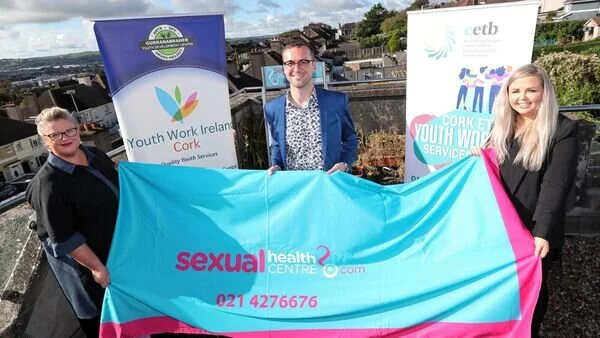
In September 2020, the Sexual Health Centre launched a Sexual Health Hub to support young people accessing safe and accurate sexual health information.
In September 2020, the Sexual Health Centre launched a Sexual Health Hub to support young people accessing safe and accurate sexual health information.
The Sexual Health Centre Annual Report for 2019 highlighted a considerable rise in demand for services relating to sexual health, post-termination, crisis pregnancy, and LGBTQ+ information.
On September 29 2020, the Sexual Health Centre released their annual report which detailed a 1.5% increase in post-termination counselling sessions and a noticeable rise in STI-related queries. The Cork-based organisation have stated that these findings illustrate the importance of accessible sexual and reproductive health services.
Chairperson of the Sexual Health Centre Ciarán Lynch stated, “In 2019, we saw a rise in the number of people engaging with services for sexual health, post-termination, crisis pregnancy, HIV, sexuality and relationship advice. This has been a clear indicator of the community’s need for high quality, professional and inclusive services.”
The Centre introduced a range of initiatives across 2019, such as a peer-led LGBTQ+ sexual health advisory service. They also provided 120 support sessions for people living with HIV along with over 700 free rapid HIV tests, according to the Report.
Enquiries regarding STI information increased by over 4,000, as the report further notes. The Centre’s Executive Director Dr Martin Davoren said, “A rise in STI-related queries is an indicator of the wider community’s evolving attitude to sexual health. This is a very welcome change as it shows that people are increasingly viewing their sexual health as an integral part of their overall health and life.”
As part of the Centre’s commitment to open sexual health awareness, the organisation launched Ireland’s first Sexual Health Hub in association with Youth Work Ireland Cork during September 2020. This latest initiative aims to support young people in accessing safe and accurate sexual health information.
Chief Executive of Cork Education and Training Board Denis Leamy stated, “Cork ETB welcomes the opportunity to support this innovative programme. Facilitating the collaboration of organisations that support young people is crucial in providing the required support directly to the community at a local level. By working together these organisations ensure equitable access to supports.”
In advance of the launch, the Sexual Health Centre delivered workshops to young people at the Gurranabraher and Churchfield UBU youth project. One attendee shared, “I got to ask questions about rumours and stuff you hear about but are not sure if they are true. I know now where I can go to ask more questions or get help if I need to.”
Speaking about the organisation’s hopes for this initiative, Health Promotion Officer at the Sexual Health Centre Muire O’Farrell expressed, “This is the first of many Sexual Health Hubs popping up across Cork. Our goal is to work in partnership with organisations across the city and county, e.g. youth groups, resource centres, outreach workers etc., to bring sexual health to youth from Castletownbere to Charleville, Kinsale to Kanturk.”
EchoLive: Cork sexual health hub is a first for country
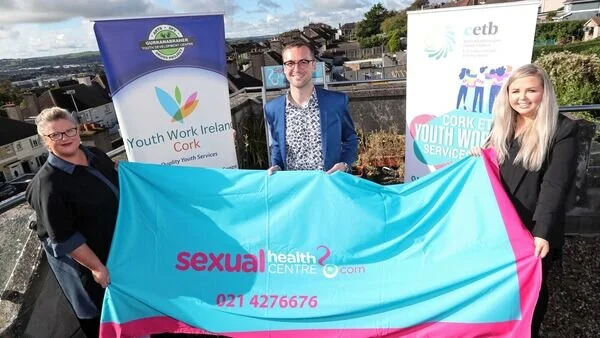
Cork Sexual Health Centre has launched Ireland’s first community sexual health hub, as Muire O’Farrell (Health Promotion Officer) and Olivia Teahan (Communications Officer) explain.
Cork Sexual Health Centre has launched Ireland’s first community sexual health hub, as Muire O’Farrell (Health Promotion Officer) and Olivia Teahan (Communications Officer) explain.
MANY teenagers today are not sufficiently equipped with accurate information around their sexual health and sexual health supports.
Ireland has introduced another generation of young people to a plethora of negative sexual health outcomes, which often results in shame, bullying, and ineffective communication skills.
A knowledge gap exists for our young people in this area, leaving them unprepared for the changes and sexual experiences that can come with puberty and sexual initiation.
The Sexual Health Centre team in Cork city, who offer a range of free sexual health supports, believes that stigma, embarrassment, and misinformation are major barriers for young people who could be engaging in invaluable sexual health services.
We have all spent much of this year indoors and online due to the Covid-19 pandemic. Issues such as porn, intimate image abuse, and online relationships have become new concerns for many households and families as sexual relationships become more virtual. The Sexual Health Centre recognised a pressing need to address these issues and developed the ‘Screen-age Kicks’ and ‘Healthy Relationships’ online campaigns earlier this year. These campaigns addressed relationships, communication skills and sexual health in the virtual world, providing a navigation guide on what to expect and how to manage sexual health issues in this new reality.
Despite the online accessibility of sexual health information, research has shown that many young people still report difficulties in finding accurate information and details of their local services. One of the biggest concerns reported by teens is being discovered while searching for information on sexual health, or inadvertently bringing up pornography rather than health information. Sexual health information sites are also considered too text heavy and difficult for young people to navigate (Patterson et al., 2019).
In the absence of the Sexual Health Centre’s usual outreach programmes due to Covid-19 restraints, staff recognised a lack of safe, familiar and accessible community spaces across Cork city and county for young people to access sexual health information. The Centre’s response to this need was the development of Ireland’s very first Sexual Health Hub.
The Hub was developed to bring sexual health information directly to the youth of the local community in a space they already attend, where their first point of contact is a trusted professional.
The Hub stand also allows information to be accessed as required throughout the year and will negate the need for youth to go online to seek information from unreliable and unofficial sources.
The Sexual Health Centre launched the first Sexual Health Hub in September in association with Youth Work Ireland Cork (YWIC), based in ‘The Hut’ in Gurranabraher. YWIC runs the Gurranabraher and Churchfield UBU youth project, providing out-of-school support to young people to enable them to overcome adverse circumstances and improve their personal and social development outcomes. The Sexual Health Hub will provide access to information on sexual health topics (e.g. contraception, relationships, sexually transmitted infections) and will equip workers to signpost young people to specific sexual health services. Free condoms and lubricant will be available at Hub locations where appropriate, with youth seeking to access condoms required to watch a custom built condom demonstration video via a QR code. This QR code is incorporated into the information stands provided by the Sexual Health Centre once a location has signed up. As part of this new initiative, the Sexual Health Centre will provide ongoing information sessions and workshops throughout the year at the Hubs, to provide continued education on sexual health topics.
Capacity building workshops will also be available so that staff in community locations can regularly upskill in the areas of sexual health, communication, LGBTQIA+ support and signposting.
Collaborative working between youth-oriented organisations is vital for the provision of direct, local level support for young people, and leads to the normalisation of discussions about sexual health.
The new Sexual Health Hub at Gurranabraher is to be the first of many popping up across Cork. The Sexual Health Centre aims to work in partnership with organisations across the city and county, for example youth groups, resource centres, outreach workers etc., to bring sexual health information and discussion to youth from Castletownbere to Charleville, Kinsale to Kanturk.
The Hubs will provide teens with an opportunity to seek advice on topics that are still not openly talked about in many schools and homes. Young people will also have the chance to take part in sexual health workshops that are facilitated by the Sexual Health Centre’s Health Promotion team throughout the year and be signposted by staff at Hub locations to access further supports such as free pregnancy testing and counselling, STI screening and contraception where necessary.
The Centre has also launched a free online training programme for professionals, which is ongoing until December 2020. As a follow-up project to the homonymous ‘Screen-age Kicks’ awareness campaign, the four-part training programme ‘Screen-age Kicks- The Webinar Series’ offers guidance on how to respond to youth sexual health queries, identifying challenges arising for young people and raising awareness of the relevant services and resources available to those working with them. It examines topics such as consent, sexting (sending nude photos and sexual messaging), intimate image abuse (also known as ‘revenge porn’), relationships and communication, pornography, contraception, STIs, gender, sexuality and HIV awareness.
Anyone who is interested in setting up a Sexual Health Hub in their local community or organisation can contact the Sexual Health Centre on info@sexualhealthcentre.com or 021-4276676 for further information.
Information on the Screen-age Kicks campaign (for young people, parents/guardians and youth workers) and training programme (for youth workers) is available on the Sexual Health Centre’s website at www.sexualhealthcentre.com.

Medical Independent: Sex workers’ health in a pandemic
The pandemic has highlighted how vulnerable populations face additional health risks including exposure to Covid-19. Catherine Reilly speaks to sex workers, and those advocating for their welfare, about these challenges
The pandemic has highlighted how vulnerable populations face additional health risks including exposure to Covid-19. Catherine Reilly speaks to sex workers, and those advocating for their welfare, about these challenges
In spring, when the Covid-19 crisis erupted, Zoe (not her real name) decided to stop meeting sex buyers and advertised video and phone sex only. She has continued with this practice due to health concerns and said that “clients accept this is my choice now”.
Nevertheless, since June, requests to meet have become more frequent. The “demand for online services is a lot less by now”, Zoe informed the Medical Independent (MI) by text message in mid-September.
During the national lockdown, sex workers oriented online “as much as they could”, said Ms Kate McGrew, a sex worker and Coordinator of Sex Workers Alliance Ireland (SWAI). But this was not an option for everyone – due to personal circumstances or privacy concerns. Most people have since returned to in-person sex work, stated Ms McGrew. She criticised the lack of State income support for sex workers and the fact SWAI was not included on the vulnerable persons subgroup of the national public health emergency team (NPHET).
A Department of Health spokesperson said SWAI was on its Covid-19 stakeholder mailing list (the vulnerable persons subgroup has now been stood down, as the work of NPHET subgroups is being “realigned” into various departments, organisations and bodies).
According to Ms McGrew, SWAI received “explicit written refusal for emergency funding from the Department of Justice who did give money to the abolitionist organisation here, Ruhama.
“They explicitly told us they won’t be funding us for as long as we talk about sex work as an economic activity as opposed to inherent exploitation of vulnerable people. It is pretty alarming for the Department of Justice to be making policy and funding decisions based on ideology as opposed to outcomes.”
She said while efforts were focused on ‘flattening the curve’, some people returned to working in “extremely risky” situations. To date, Ms McGrew said she was not aware of sex workers who had contracted Covid-19.
Ruhama, which “supports women in prostitution”, is aware of Covid-19 cases among its service-users.
Service Manager Ms Sheila Crowley told MI these cases were all related to direct provision accommodation. The organisation was connected to the NPHET subgroup through a HSE representative, who sits on the monitoring committee of the second national strategy on domestic, sexual and gender-based violence (of which Ruhama is a member).
Ideologies
SWAI and Ruhama are key non-governmental organisations supporting people involved in sex work, although their approaches are rooted in vastly different ideologies. SWAI supports a harm reduction policy and advocates that sex workers “should be granted the same rights as all other workers”.
Ruhama supports criminalisation of the purchase of sex. It does not use the term ‘sex work’ (MI has used this term descriptively and because ‘sex workers’ is the wording in the national sexual health strategy).
Sex workers are not a homogenous group – some are doing it by free will; others have been coerced and trafficked. Some may have relative financial stability (‘Zoe’ told MI she has private health insurance), others are existing day to day, potentially living in addiction. Some are migrants, documented and undocumented, and others are Irish. There are male, female, and transexual sex workers. But all are at notable risk of contracting Covid-19 unless they work exclusively online. There have been no specific testing initiatives targeted towards sex workers.
A HSE spokesperson told MI data related to cases of Covid-19 associated with sex work was not collected by the Health Protection Surveillance Centre (HPSC). “To date, we are not aware of any clusters/outbreaks related to sex work,” they added. Meanwhile, sexual health services have been severely curtailed due to Covid-19, particularly walk-in clinics. This has led to broader concerns about a future upsurge in untreated sexually transmitted infections (STIs) – which often present asymptomatically.
Pandemic behaviour
During the pandemic, the behaviour of sex buyers has become “even bolder”, placing sex workers at additional risk, warned Ruhama’s Ms Crowley. “We have some women who are living in homeless accommodation and they would have been going out during the pandemic [national lockdown], they would have been seeing clients who would be outside in a car and they would go out and get into the car…. There is something about the pandemic that has made punters feel even bolder.”
Some women were asked for unprotected sex but offered far less money than would be usual. “The punters seem to be aware that the women who are selling sex during Covid are the women who really need the money. And they have been taking advantage of that. So our self-care group have been working with the women around putting more protection in place for themselves.”
This virtual support group has attendances of up to 24 women at a time, according to Ms Crowley. As well as delivering care packages to women during lockdown – including condoms and lubricant – Ruhama was funded by the Department of Justice and Equality to distribute smartphones and tablets to women who did not possess a device, as many of Ruhama’s supports went online.
It also set up a virtual parenting group – a space where women “could be very honest about the frustrations of being stuck with children all day, without feeling that there was a social worker involved”, outlined Ms Crowley.
SWAI has also run virtual support groups and crowdfunded to assist sex workers in financial distress. “We were able to crowdfund a hardship fund of €26,000 and we were able to use that to give payments of €100-200 to 160 sex workers, which is good, but that really only boiled down to a few shopping trips,” said Ms McGrew.
SWAI has also worked with Gender Orientation Sexual Health HIV (GOSHH) and the Sexual Health Centre in Cork to develop and disseminate a harm reduction leaflet for outdoor sex workers.
If a sex worker is in a car, for example, they should turn off the air conditioning and leave the windows down. “Try to keep your faces away from each other, things like that,” explained Ms McGrew of the leaflet information.
Commenting on HSE support for sex workers during the pandemic, the Executive’s spokesperson referred to the Cork Sexual Health Centre’s #SafeRsexwork campaign, which provides a practical harm reduction guide for individuals undertaking sex work during the Covid-19 outbreak.
“This work was led by the Sexual Health Centre outreach worker and funding for this post is provided for by the HSE Sexual Health and Crisis Pregnancy Programme (SHCPP).
“In addition, the HSE community work department (HSE South) provided funding for the communications officer who designed, delivered and promoted this campaign.
“The HSE SHCPP included a link to this campaign on the ‘sex and coronavirus (Covid-19)’ information page which can be found here https://www.sexualwellbeing.ie/sexual-health/sex-and-coronavirus/.
“More information on the #SafeRsexwork can be found here: https://www.sexualhealthcentre.com/news/2020/4/9/the-sexual-health-centre-launches-safety-guide-for-sex-workers-during-covid-19.”
The spokesperson said work on the aforementioned leaflet for street-based sex workers was led by the operations manager at GOSHH and funding for this post is provided by the SHCPP. The HSE also operates the Women’s Health Service and the Anti-Human Trafficking Team and the Gay Men’s Health Service, where sex workers would be in the patient cohorts. It provides funding to Ruhama.
2017 law
The Criminal Justice (Sexual Offences) Act 2017 introduced a new offence of payment for sexual activity with a sex worker. It also removed the offence of public solicitation by sex workers. Brothel-keeping remains a criminal offence with increased penalties under the 2017 Act. A recent HIV Ireland-commissioned report found the law has had a profoundly negative impact on the health and wellbeing of sex workers. It proposed repeal of the law to protect sex workers’ health, safety, and wellbeing.
The report’s recommendations for healthcare included: Increased staff training; greater inclusivity in terms of mental health supports; expansion of peer-led sexual health screening services; and greater awareness of the role of HIV pre-exposure prophylaxis (PrEP) as an option for sex workers in managing health risks. Ms McGrew of SWAI said the law is associated with a myriad of concerns for sex workers. They fear disruption of income stream and being arrested “for working with a friend, because that is considered brothel keeping”.
“So what that means is that, at the very least, sex workers don’t want to raise any issue because they don’t want gardai knowing that they see clients, that they can have their clients taken off them. Then there is of course being arrested for ‘brothel-keeping’; there is a risk for some people of deportation, of being asked to quietly go home instead of being deported; there is risk of eviction; risk of having their children taken off of them.
“I mean, it was always legal to work alone so to say the law decriminalised us isn’t even true. SWAI pushed for an amendment to get decriminalisation of outdoor workers, and even for them, they are still getting gardai disrupting their work, pushing them into darker areas, and also falsely telling them it is illegal to work.”
When word gets around about garda raids “work quiets down, and we hear about girls taking clients that they are nervous about, we hear about girls dropping their prices. To outside people they think these are just inconveniences, but they are really dangerous for us – really legitimately dangerous changes in how we work.”
At Ruhama the law is seen as hugely positive. It rebalances power in favour of the sex worker, according to Ms Crowley. She said women are now more inclined to report rape, assault, and robbery (this is “anecdotal” and the organisation will compile statistics, she said).
Ruhama hopes the law will lead to a decline in sex purchasing. Research it commissioned suggests there may have been a 2 per cent drop in the number of men reporting that they would buy sex in Ireland. The legislation has made “a huge difference” to women on the streets, added Ms Crowley.
“They are often Irish women, they are often in addiction, and so they are much more aware that the guards are being nice, and maybe more protective of them rather than looking at them as a nuisance because they can no longer be charged.” The contention that the law impedes healthcare access “doesn’t make sense”, she said.
“Why would a law, when you are not in any trouble at all, make you not go and get healthcare? You have to remember, with the majority of our clients, they came to us because they felt they had been exploited in the sex industry…. I am not representing necessarily a woman who feels very empowered by prostitution and is earning a lot of money….
“I do feel laws won’t suit everyone, but with any law, you are trying to help the people who are most exploited in that situation.”
Ms Crowley, who has worked with Ruhama for ten years, said the trauma experienced by many women may not be immediately evident. “I always find it hard to find the ‘empowered sex worker’. I am not sure I have ever quite met one,” she added.
According to Ms McGrew, “people work in the sex industry on a spectrum of choice, circumstance and coercion”. She said the focus must be on “harm reduction models that make it as safe as possible”.
Most sex workers are mothers, some are putting themselves through college, buying houses, and saving to start a business. Others are working on a “survival” basis, paying for that day’s hostel, food or drugs, she said.
The HSE’s spokesperson said it was aware the Department of Justice and Equality was conducting a review of the law. The HSE “will participate in the review as required”.
Sexual health services
The pandemic has curtailed access to public sexual health services, fuelling concerns about significant untreated infection and further spread of STIs, particularly in at-risk populations. The HSE said many sexual health services re-opened in July/August. The remaining services “are preparing to re-open and will do so as (staff and physical) capacity allows”.
They added that all public sexual health services “continue to face service restrictions in light of social distancing requirements. In general, public sexual health services operate on a triage basis, which includes prioritisation of those on treatment, such as for HIV, to ensure continuity of care, or those who have symptoms of an STI and require treatment.
“Services are working hard to get through any backlogs/waiting lists, or providing catch-up services, eg, vaccines, where clinic space is available.”
There has been a notable reduction in STI notifications this year, according to the most recent HPSC summary report (week 37, 2020). For example, the report showed a 27 per cent decrease in chlamydia cases so far this year, compared with the same period of 2019; a 23 per cent decrease in gonorrhoea; and a 31 per cent decrease in syphilis (early infectious).
HIV notifications reduced by 6 per cent. In contrast, HPSC data from late 2019 indicated that STI and HIV notifications were rising from the previous year.
Since May/June, there has been a “small but steady increase” in most of the STI notifications as restrictions eased, according to the HSE. “As the data is provisional at this time, we will continue to monitor the situation to determine whether it reflects a true indication of declines in STIs or delayed diagnosis/notification.”
Testing
Executive Director of HIV Ireland Mr Stephen O’Hare believed less testing was a key factor behind the data showing sizable STI reductions.
“It is very difficult to say that because [social venues] are closed, people are not getting together or hooking up or not engaging in sex work through the pandemic – we don’t have that data, but what we do know is there’s no testing or very limited amounts of testing.”
It is very difficult to say that because [social venues] are closed, people are not getting together or hooking up or not engaging in sex work through the pandemic – we don’t have that data, but what we do know is there’s no testing or very limited mounts of testing
It is unclear why HIV notifications have remained relatively steady and a clearer picture may form in the coming months.
HIV Ireland runs the MPOWER Programme, which is a suite of peer-driven community-level interventions aimed at reducing acquisition of HIV and STIs and improving sexual health and wellbeing among gay, bisexual and men who have sex with men (gbMSM). The HSE also provides funding to this programme.
A member of the MPOWER team, who is originally from Brazil, works with migrants from South America who are gbMSM, including some sex workers.
Mr O’Hare said this illustrated the need for a broader understanding about who is engaged in sex work and who is buying sex in Ireland.
“There are multiple genders working in sex work -there are trans sex workers, male and female sex workers in Ireland, of different ages, of different nationalities and of different sexual orientations.”
Mr O’Hare said Covid-19 has impacted the roll-out of a national PrEP programme to groups at greater risk of HIV. He noted that the criteria for accessing PrEP tends to focus on MSM. However, other people can also qualify if they are deemed at greater risk of contracting HIV. Sex workers engaged in heterosexual sex are unlikely to qualify for PrEP unless they disclose their status as a sex worker, and HIV Ireland research has indicated a reluctance among sex workers to reveal this information to healthcare professionals.
At SWAI, Ms McGrew is aware of a female sex worker whose client removed the condom during sex (known as ‘stealthing’) and who attended a hospital to access HIV post-exposure prophylaxis (PEP), which is available from emergency departments and clinics. However, she did not want to reveal herself as a sex worker and did not receive PEP.
“She is an undocumented migrant,” stated Ms McGrew. “She went to get PEP and they wouldn’t give it to her because she was female and she was afraid to tell them she was a sex worker.”
This type of occurrence underlined the need for more training in healthcare, according to Mr O’Hare. Such services must be delivered in a manner that is “very non-judgemental” and “based on harm reduction”, he added.
Ms Crowley of Ruhama also expressed serious concern about the curtailment in drop-in sexual health services, particularly for women not already linked to service-providers such as Safetynet.
When women are linked to Ruhama, it can try and arrange financial support so they can access a private clinic. “But the problem is, it is really about accessibility. What if somebody wants a termination and they can’t get the test in the first place?
Views from the frontline of sexual health
“We certainly cared for those who self-identify as sex workers during the Covid pandemic,” confirmed Dr Cathal Ó Broin, Consultant in Infectious Diseases and General Internal Medicine at St Vincent’s University Hospital in Dublin. Dr Ó Broin is the Clinical Lead for the Prevention Support Clinic, which is part of the hospital’s PrEP and sexual health service.
“This was very much a collaborative effort between St Vincent’s University Hospital and the community outreach team at HIV Ireland, led by Adam Shanley,” he told the Medical Independent (MI).
“The community team identified persons with increased sexual health needs, primarily sex workers and those involved in chemsex and recruited them to our clinic.
“Diego Caixeta is a member of this team and has created excellent links with this group. As a result of his efforts we were able better support cis and transgender persons, men who have sex with men, migrants and those with disabilities. Furthermore, Diego was able to identify key persons within the sex worker community who act as advocates and promote sexual health.
“It was also noted by our service that drug use significantly increased during lockdown, much of this was due to self-reported anxiety and depression. We liaised with the Rialto Community Drug Centre who were able to provide phone counselling to those who needed it most. There is now an active, bilateral referral pathway.
“I think this project was successful as a result of the stronger interface between the community and the hospital. Diego will be working with us for one day per week from now on. His focus will be on improving accessibility, overcoming barriers to testing and increasing retention in services for minority populations. His role with us is supported by HIV Ireland and the Sexual Health and Crisis Pregnancy Programme.”
Asked about Covid-19 risk and symptom awareness among the sex worker population, Dr Ó Broin said: “Regarding Covid awareness, many of the sex workers insisted on appropriate hand hygiene and some reported mask use.”
Mr David Field, Clinical Nurse Specialist in Sexual Health and PrEP at the Mater Misericordiae University Hospital in Dublin, has observed that sex workers may face marginalisation on many levels.
“And because of the multiple impacts of marginalisation, they can find it even more difficult to access inclusive healthcare.” He emphasised that the Mater provides “a sex worker inclusive sexual health service”.
“I would see that, a lot of the time, sex workers would find it difficult to navigate the system…. It is about having an awareness and doing in-depth sexual health assessments to make sure that you are picking up maybe more vulnerable people so we can provide them with services.” Mr Field has sometimes perceived a reluctance among sex workers to disclose this information.
“Working in sexual health, disclosure and trust is something we would navigate quite a lot. But sometimes people are more hesitant, it might not be until their second, third or fourth visit before they will disclose that they are a sex worker….
“But without them disclosing that to us, it can be difficult to provide the most appropriate healthcare to them, so I would always try and have as open and honest a discussion in as non-judgemental a way as possible, letting them know they can disclose anything they want to me and that it is imperative really for me to be able to provide the best service to them.” Mr Field said PrEP clinical guidance facilitates access for sex workers outside the MSM categories, where they are identified.
“While the guidelines are geared towards gay, bisexual and other men who have sex with men, they allow for a certain amount of clinical judgement….
“If someone came into us and said ‘I am a female sex worker and I have sex with men’ that would absolutely be an indication that we start them on PrEP,” said Mr Field, emphasising the importance of a sex worker feeling comfortable disclosing this information.
The roll-out of the national PrEP programme has been impacted by the pandemic. “There is definitely decreased access to PrEP out there in the community at the moment, but I think different services have different approaches to correcting that.”
He confirmed the curtailment of sexual health services in many locations is a source of anxiety for healthcare professionals in this area.
“From a sexual health perspective, a lot of the infections we look for can be completely asymptomatic. Infections like chlamydia, because they are asymptomatic in nature, people will often have carried them and passed them on, and I think the fact there aren’t [usual] services there at the moment just allows infections to proliferate and for a larger pool of infections to develop in the community, which is obviously concerning to us in sexual health.”
In regard to improving access to sexual healthcare for sex workers, Mr Field suggests sex worker-specific training for sexual health services. He said dedicated clinic evenings or days, as part of an existing service, may warrant examination. Funding is one of the biggest challenges for sexual health services seeking to develop new approaches, he noted.
He confirmed that the law around sex work poses challenges for healthcare workers, in terms of sex workers’ reluctance to disclose information relevant to their care.
“I would always try to make it as clear as possible [to patients] that in healthcare our role is not to enforce a law or get into that kind of conversation. We are very much there to facilitate good sexual health and wellbeing.”
Regional view
Sex workers may be reluctant to disclose this status when presenting for sexual healthcare or may not attend regional services where they are operational, according to healthcare professionals specialising in sexual health in the north-east.
Ms Clio Milne, Clinical Nurse Manger 2 at Dundalk, Drogheda and Monaghan Sexual Health /Genito Urinary (GUM) services, told MI she had worked in the service for the past four years and had identified less than five sex workers in that time.
“I would have regularly asked service-users, indicating that if they were [a sex worker] I would offer additional swabs, vaccinations and condoms if required, but sex workers either do not attend our service, [or] do not identify themselves at the time due to fear of repercussions and/or stigma.”
“Discretion is key when people attend the service which all users should be aware of,” she emphasised.
Ms Debbie Marshall, Advanced Nurse Practitioner in Sexual Health at the service, also considered that sex work was not typically disclosed but added that her experience would be limited regarding this specific cohort. The service is “very confidential and non-judgemental” and proactive in following-up with vulnerable patients.
Ms Marshall, a forensic nurse examiner who has also worked in sexual assault treatment units (SATUs), added that sex workers who report a rape or sexual assault are more disclosing as they give their account of what occurred.
Asked how sexual health services could be further improved for sex workers and other at-risk and vulnerable populations, Ms Marshall said it was important to consult service-users and providers about their needs and to review past service provision. Many public services in Ireland do not offer clinics after 5pm or at weekends and numerous counties do not have a public STI service, she noted.
Ms Marshall underlined the importance of accessibility. She cited a Sláintecare-backed project providing sexual healthcare and clinics on campus at Athlone Institute of Technology.
The project was paused midway due to Covid-19 “but we achieved the outcomes of ‘right care, right place, right time’” and this concept could be applied to any at-risk/vulnerable group.
Ms Milne added that attending an STI screening service “already comes with its fears and trepidations for most people”. Therefore, a dedicated service specifically for sex workers “may not be the solution but an integrated service which can accommodate the specific needs of the individual could work at a more local level”.

EchoLive: Welcome to Cork city LGBTI+ students
LGBTI+ organisations in Cork are reaching out to young students as the new college term begins, writes Community Worker, LGBTI+ Activist and student KONRAD IM.
LGBTI+ organisations in Cork are reaching out to young students as the new college term begins, writes Community Worker, LGBTI+ Activist and student KONRAD IM.
GROWING up LGBTI+ can be very difficult for any young person. The 2016 LGBT Ireland Report found that the most common age people discover that they’re LGBTI+ is 12, while 16 years of age is the average age people tell someone for the first time.
A more recent study from BeLonG To Youth Services found that 73% of LGBTI+ young people feel unsafe in their schools. This experience can be particularly tough for those in rural areas.
While many students from rural areas are itching to get to college in search of greater opportunities and experiences in ‘the big city’, this need to escape to cosmopolitan surroundings can be greater for LGBTI+ young people. Being LGBTI+ can be a massive challenge in rural Ireland where everyone knows your personal business and you can sometimes feel like ‘the only gay in the village’.
Lorna, aged 25, a student from rural Cork who has just graduated and identifies as lesbian recalls: “For me, college was a chance to meet others who were gay and were my own age. I saw the city as a chance to not be afraid to hold my girlfriend’s hand or kiss her on a night out or dance together in a bar.
“It meant I didn’t have to hide who I was and I could explore what being gay meant in a place where not everyone knew me or my family.”
College can be a fresh start where students can finally feel free to be their true selves with little judgement and where they can meet others that share similar stories and experiences.
This makes fleeing to college in the city ever more appealing for LGBTI+ young people who spend years planning and dreaming of this great escape. But with Covid-19 these plans and dreams that have been years in the making have been crushed for many. This pandemic and its devastating effects have meant that families have lost significant incomes, many college courses have gone online, student accommodation is no longer an option and these struggling young people are stuck studying remotely in sometimes hostile home environments.
“Our colleges are open, accepting places that we can use as refuge from what may be an otherwise unaccepting situation. Unfortunately, this won’t be able to happen this year due to the pandemic which has made it more difficult for students to access vital student services and social supports” says Alex aged 20, a transgender student studying in CIT.
While some are studying remotely in their family home, others have moved to the city where again they’re studying online following the Level 3 restrictions put on colleges last week. Vital services and supports which are usually physically prominent to LGBTI+ students are also facing restricted operations at this time. While these services can’t open their doors and welcome people in with open arms, they’re still trying to reach out virtually and say “Welcome to the City” to all LGBTI+ students.
Michelle, aged 21 says: “Initially when moving to Cork I was apprehensive about coming out to new friends. I had come from a Convent school in rural Ireland where I had gotten lots of mixed reactions when I came out. Within the first few weeks I became a member of the CIT LGBT* Society.
“Over the course of the first year the society really helped me settle in and become more confident in myself. I would encourage people to reach out to the resources available to them if or when they go to college”.
Here are some supports available to LGBTI+ students:
LINC is an organisation aimed at improving the health and wellbeing of all women who identify as lesbian and bisexual. They offer a range of services, supports and social groups/clubs including weekly virtual drop-ins, coming out support, low cost counselling and lots more. They can be contacted on info@linc.ie, by calling 0214808600 or visit www.linc.ie for more info.
Gay Project provides information, support and resources for the gay, bi, queer and trans community. They offer a range of different social, peer support and interest groups some of which currently operate online. For more info visit www.gayproject.ie, call 0214300430 or email info@gayproject.ie.
Sexual Health Centre offers an LGBTI+ Sexual Health Support Service focused on LGBTI+ specific sexual health advice around healthy relationships, sexual issues and coming out support. They also provide free Rapid HIV Testing and a condom pack postage service. For more info email konradim@sexualhealthcentre.com or call/text 0861382022.
CIT LGBT* & CC LGBTQ* Societies are student led college societies that aim to enhance the student experience for LGBTI+ students. They both currently hold various social, educational, political and cultural events online. For more information:
CIT LGBT* Society email lgbtcit@gmail.com. Facebook @lgbtcit, Twitter @citlgbt and Instagram @cit_lgbt_soc.
UCC LGBTQ* Society email lgbt@uccsocieties.ie. Facebook/Twitter/Instagram @ucclgbtqsoc.
Gender Rebels is a Cork based group that advocates and supports all transgender, non-binary, intersex and gender non-conforming individuals. They hold regular social events and online chats through Zoom. You can contact them on genderrebelscork@gmail.com or visit www.genderrebelscork.com.
Cork Rebels FC are predominantly gay non-profit football club that provides the LBGT community in Cork with the opportunity to play and learn soccer in a positive and friendly environment. Visit www.corkrebelsfc.com for more info or email them on join@corkrebelsfc.com.
Cork Frontrunners is an LGBTI+ running group that meets weekly. For more info frontrunnercork@gmail.com or Facebook/Twitter @frontrunnerscork.
Choral Con Fusion is an LGBTS Inclusive Choir that welcome everyone equally, regardless of musical experience, sexual orientation, gender or background. Visit www.choralconfusion.com or email info@choralconfusion.com.

Irish Examiner: Legislation to tackle image-based sexual abuse must be enacted - Caroline West
‘Revenge porn’ is an outdated term that fails to capture severity of the offence and implies blame should be focused on the victim.
‘Revenge porn’ is an outdated term that fails to capture severity of the offence and implies blame should be focused on the victim.
Minister for Justice Helen McEntee recently announced that she is going to prioritise the enactment of legislation in relation to the sharing of intimate images without consent. Legislation has been developed, but due to the election and subsequent delay in government formation, and the Covid-19 pandemic, it has not yet been enacted.
Many advocacy groups have begun to lobby the Government to prioritise this legislation, as they recognise the urgency of the issue and the number of victims that need support and protection. In July a petition to urge the Government to focus on this issue achieved 10,000 signatures.
Victims have started speaking out about their experiences, notably welfare and equality officer for NUIG Roisin Nic Lochlainn who shared her story of having this done to her at the age 17 on RTE's Liveline, and received a mixture of support and further abuse.
While we need to have an open dialogue about this act of violence, we also need to discuss the terminology used. ‘Revenge porn’ is an outdated, salacious term and doesn't fully capture the severity of the offence and implies blame should be focused on the victim.
The act is not about sex, it is about power and violence. Porn implies a connection to similar content that we see on porn sites, which isn't the case here as the person did not consent to the sharing of this image, work in porn as a career, or even agree to the acts depicted, as sometimes the content is filmed without consent or depicts rape.
Another common term used is ‘intimate partner abuse’, however, this doesn't quite capture the full scale of the issue, as sometimes images are shared by strangers or friends and both parties may be unaware that they are being filmed without their consent.
Instead, the term ‘image-based sexual abuse’ (IBSA) is more comprehensive.
IBSA is a more accurate reflection of what is actually happening — the use of intimate images to cause deliberate harm to a person against their will.
It is a form of violence alongside sexual violence and domestic violence, and often linked to the same methods used in these forms of violence — blackmail and coercion — and with the same goal: causing trauma and silencing the victim.
IBSA is a violation of bodily autonomy, privacy, consent, and boundaries, so it can have the same impact as other forms of sexual violence. These effects can include mental health issues such as stress, depression, PTSD, and more.
Victims may also struggle with sleeping, or suffer from physical health issues from higher rates of the stress hormone cortisol as they experience elevated.
They may be unable to trust, have issues around sexual intimacy, or experience bullying and victim-blaming from people who share the content.
Another term used in this context is ‘intimate image abuse’, which also provides an inclusive naming of this issue. Susan Walsh, outreach worker with the Sexual Health Centre in Cork, who delivered an online webinar on intimate image abuse, recently noted that: “Unfortunately, the law regarding intimate image abuse remains at the committee stage.
Any one of us can be affected by intimate image abuse. In an era of media and consistent image sharing, each of us has a collective responsibility to respond to intimate image abuse to reduce this from happening to you or someone you know.
We can do this by being good bystanders, tackling misconceptions and judgements among peers and ensuring we take the time to question other’s consent when taking and circulating images.”
The new laws aim to enact a prison sentence of six months to seven years, or a fine of a maximum €5,000, for those who commit this offence. Social media platforms now have content moderators tasked with deleting reported images, but victims have often claimed that they are slow to respond.
Facebook is currently testing the use of AI to see if this can tackle the problem more efficiently.
In conjunction with this legislation, the justice system needs an overhaul in relation to sexual violence. Some of the training for lawyers, gardaí, and judges may be outdated and may not have taken account of how the internet can facilitate sexual violence and digital abuse.
Victims also need increased holistic support as the justice system can often be retraumatising, and this support should include access to affordable counselling and court accompaniment by specialist support services.
Sexual assault is often not prosecuted to the full extent that it should be, and IBSA is part of the spectrum of sexual violence. A refocus on addressing this issue is needed.
This involves increased funding of rape crisis centres, funding research into the prevalence of sexual assault including IBSA, and educating people of all ages about healthy relationships, domestic violence, and sexual assault. As a society, it is essential to recognise how widespread sexual assault is in Ireland, the damage it does to individuals and society, and take steps to tackle this on a variety of levels.
We also need to reframe the conversation to ask why abusers choose to harm people like this, and why some people feel it is acceptable to share these images. It is important to note that those who share these images are committing a form of sexual violence.
We must ask ourselves how we can eradicate abuse of all forms and be willing to take those steps to build a happier, healthier, and kinder society in Ireland.
Dr Caroline West is a lecturer in sexuality studies in DCU. @carolinewest_IE or www.iamcarolinewest.com
![KFM [Annual Report 2020 - Martin Davoren, Exec. Director, Sexual Health Centre]](https://images.squarespace-cdn.com/content/v1/5c45bdd9f7939273c6d9f24b/1613514027629-FAZXN9830OJKHUNPR1NL/Kfm_Logo_0.png)
KFM [Annual Report 2020 - Martin Davoren, Exec. Director, Sexual Health Centre]
#ListenBack to Hour 1 of #KildareToday with Clem Ryan
- CAB searches in #Newbridge
- @MartinDavoren @SHC_Cork
- @joeneville2010
- @OdileLeB @EPAIreland
Listen back from 06:20: https://soundcloud.com/kfmradiokildare/kildare-today-30-09-20-hour-1

96FM: Cork Sexual Health Centre 2019 report is launched
Post-termination support was in high demand last year.
Senior News Reporter Fiona Corcoran has the details for Cork’s 96FM & C103 news:
https://www.96fm.ie/news/96fm-news-and-sport/cork-sexual-health-centre-2019-report-is-launched/
EchoLive: High demand for post-abortion support at Cork centre, report shows
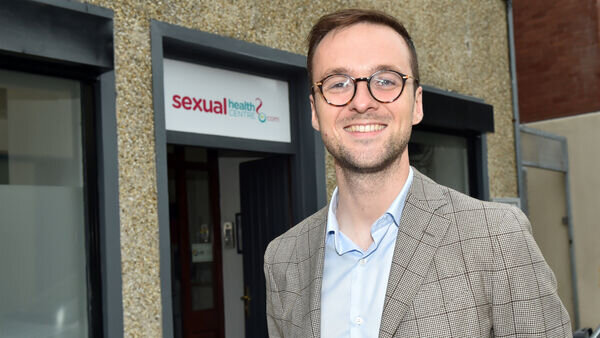
Martin Davoren (Head of Sexual Health Centre) at the Sexual Health Centre, 16, St Peters Street, Cork.
POST-TERMINATION support was in high demand last year, according to the Sexual Health Centre’s annual report for 2019.
The Centre saw a one and a half fold increase in counselling sessions for people who had had a termination, from 157 counselling sessions in 2018 to 236 in 2019.
Ciarán Lynch, Chairperson of the Sexual Health Centre, highlighted the importance of widespread accessibility to sexual and reproductive health services.
"In 2019, we saw a rise in the number of people engaging with services for sexual health, post-termination, crisis pregnancy, HIV, sexuality and relationship advice.
"This has been a clear indicator of the community's need for high quality, professional and inclusive services," he said.
A number of new initiatives were introduced by the Centre in 2019, including a one-to-one mentoring service for people who are living with HIV.
120 support sessions were provided to people living with HIV in 2019.
The Centre also conducted over 700 free rapid HIV tests.
Meanwhile, 67 support sessions were delivered to members of the LGBTQIA+ community in 2019.
Information requests regarding Sexually Transmitted Infections increased to over 4,000 enquiries.
"A rise in STI-related queries is an indicator of the wider community’s evolving attitude to sexual health," noted the Centre’s Executive Director, Dr Martin Davoren.
"This is a very welcome change as it shows that people are increasingly viewing their sexual health as an integral part of their overall health and life," he continued.
Dr Davoren highlighted that partnership is an ongoing priority for the Sexual Health Centre, with new collaborations established throughout the year to support the sexual health needs of the people of Cork.
"An important development was the establishment of Ireland’s first sexual health network which was accompanied by its own web portal to provide a range of information on sexual health, healthy relationships and wellbeing in Cork city.
"The Centre was delighted to collaborate on this project with a number of agencies in Cork," he said.
"Notably, Cork has now signed up to the global HIV fast-track cities initiative.
"The Sexual Health Centre was delighted to act as co-signatory for Cork and looks forward to supporting its implementation.
"The Centre was also very proud to launch its five-year plan in 2019, prioritising the delivery of sexual health services for the community," Dr Davoren continued.
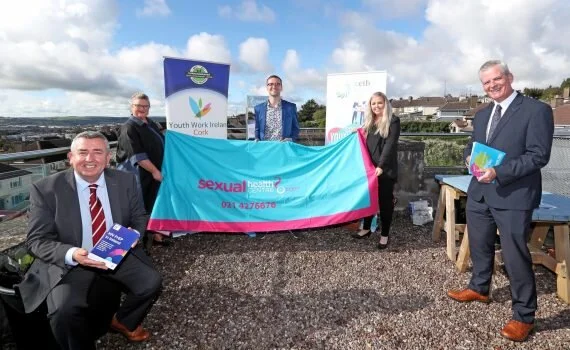
The Cork.ie: Cork’s Sexual Health Centre launches Ireland’s first community sexual health hub
Last week saw the launch of Ireland’s first Sexual Health Hub, in Cork. This new initiative, spearheaded by the Sexual Health Centre, aims to make sexual health information more accessible to youth in communities across Cork City and County.
The Sexual Health Hubs will be the first point of contact for many young people, enabling them to access information leaflets on sexual health topics (e.g. contraception, relationships, sexually transmitted infections) and staff who are equipped to signpost to specific sexual health services. Free condoms and lube will be available at Hub locations where appropriate, with youth seeking to access condoms required to watch a condom demonstration video via a QR code.
The Hubs will create a safe, familiar, and accessible way for young people to avail of sexual health information, and provide a solution to the limited reach of current sexual health specific services.
Denis Leamy, Chief Executive of Cork Education and Training Board noted that “Cork ETB welcome the opportunity to support this innovative programme. Facilitating the collaboration of organisations that support young people is crucial in providing the required support directly to the community at a local level. By working together these organisations ensure equitable access to supports”.
The launch took place in association with Youth Work Ireland Cork (YWIC), the Sexual Health Centre’s first partner organisation. Based in ‘The Hut’ in Gurranabraher, YWIC run the Gurranabraher and Churchfield UBU youth project. The ‘UBU: Your Place, Your Space’ youth project provides out-of-school support to young people in the local Gurranabraher/Churchfield area to enable them to overcome adverse circumstances and achieve their full potential by improving their personal and social development outcomes.
As part of this new initiative, not only will sexual health information be available via the Hub stands, but the Sexual Health Centre will also provide ongoing information sessions and workshops throughout the year at Hub locations, to provide continued education on important sexual health topics.
The Sexual Health Centre delivered workshops to the youth at the UBU project in advance of the launch where the topic was well received:
“I got to ask questions about rumours and stuff you hear about but are not sure if they are true. I know now where I can go to ask more questions or get help if I need to”, said one young person who participated in a sexual health workshop.
YWIC youth worker Joe Curtin also commented: “I think it’s great for The Hut and the wider local community that we will have the first Sexual Health Hub in the city located here. Young people will be able to seek advice and information on a topic that is still sometimes not openly discussed in schools and at home. Young people will also have the opportunity to take part in sexual health workshops that are facilitated by specifically trained professionals throughout the year, and access the other services of the Sexual Health Centre more easily.”
Muire O’Farrell, Health Promotion Officer at the Sexual Health Centre, said “This is the first of many Sexual Health Hubs popping up across Cork. Our goal is to work in partnership with organisations across the city and county, e.g. youth groups, resource centres, outreach workers etc., to bring sexual health to youth from Castletownbere to Charleville, Kinsale to Kanturk”.
If you are interested in setting up a Sexual Health Hub, you can contact the Sexual Health Centre on info@sexualhealthcentre.com or 021-4276676 for further information. For information on Youth Work Ireland Cork, visit www.ywicork.com

KFM: Ireland's 1st Community Sexual Health Hub Has Opened In Cork.
Ireland's first community sexual health hub has opened in Cork.
It aims to make sexual health information more accessible, and will provide free condoms and lube.
Workshops and demonstration videos will also be available at the centre in Gurranabraher.
https://kfmradio.com/news/23092020-1514/irelands-1st-community-sexual-health-hub-has-opened-cork
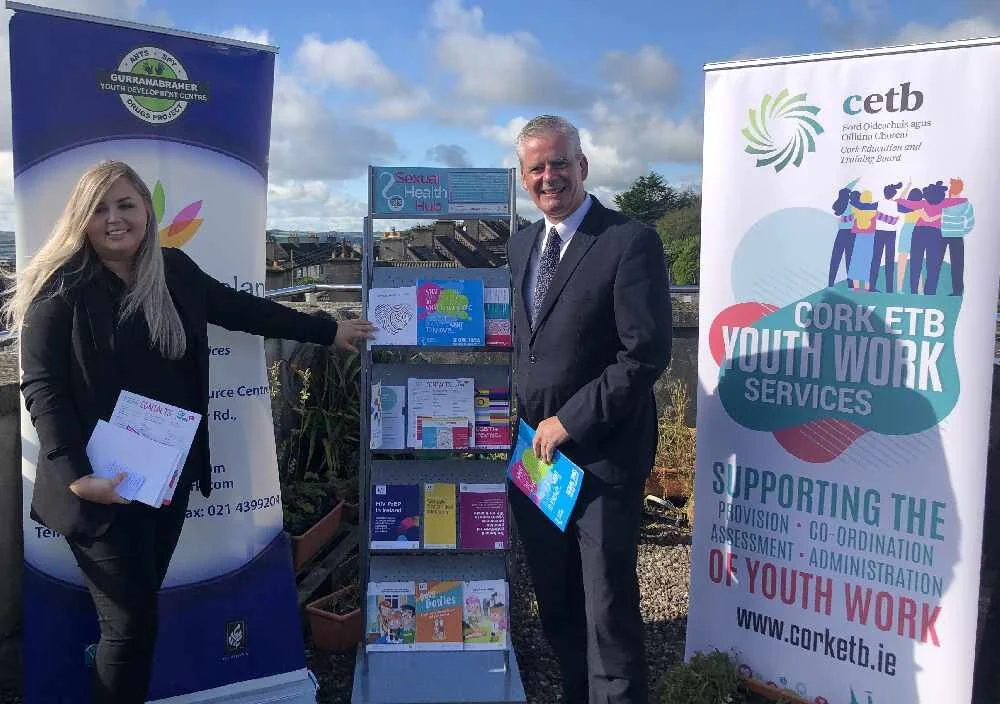
96FM: Ireland's first Sexual Health Hub launched in Cork
The hub in Gurranabraher - which is spearheaded by the Sexual Health Centre - will be the first point of contact for young people to access information on sexual health issues.
It’s aim is to create a safe, familiar and accessible way for young people to avail of information and to find out about support services that are available.
Speaking to Cork’s 96FM & C103 News Executive Director of the Sexual Health Centre Martin Davoren says it’s an important service for young people:
https://www.96fm.ie/news/96fm-news-and-sport/irelands-first-sexual-health-hub-launched-in-cork/
C103: Covid restrictions shouldn't deter sexual assault victims from seeking help
The Sexual Health Centre in Cork says the Covid19 restrictions shouldn’t deter people from seeking help if they’ve been sexually assaulted.
There’s concern that victims may be afraid to come forward if they’ve been at a social gathering - such as a house party - with more than six people.
The message comes ahead of the reopening of colleges in the coming weeks.
Speaking to Cork’s 96FM & C103 News Communications Officer with the Sexual Health Centre Olivia Teahan says the service is there to help - regardless of the circumstances:
https://www.c103.ie/news/c103-news-and-sport/covid-restrictions-shouldnt-deter-sexual-assault-victims-from-seeking-help/
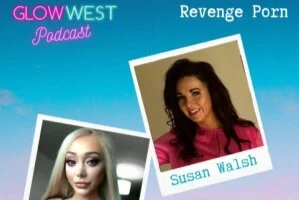
Tortoise Shack: Revenge Porn aka Image Based Sexual Abuse Ep.24
In this live recording Caroline is joined by sexual violence campaigner and host of PACwoman podcast Linda Hayden. We chat to support worker Susan Walsh from the Sexual Health Centre in Cork, and Megan Jrenee, a victim of revenge porn and campaigner. Listen in as we discuss the legislation needed, why we need to reframe this conversation, and what you can do to help support victims.
https://tortoiseshack.ie/revenge-porn-aka-image-based-sexual-abuse-ep-24/
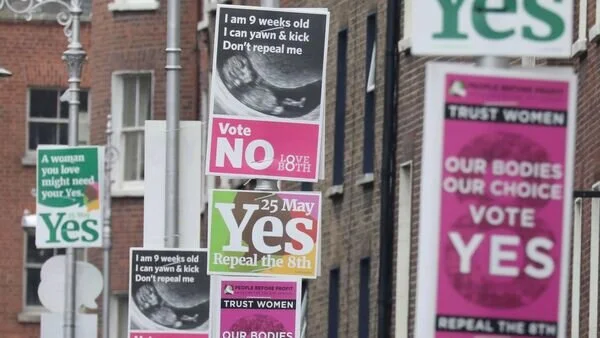
Irish Examiner: Cork sexual health centre reports surge in post-termination support after repeal vote
The 2018 vote to repeal the 8th amendment triggered a surge in demand for crisis pregnancy counselling and post-termination supports, a new report shows.
The Cork Sexual Health Centre (SHC) also recorded a four-fold increase in screenings for sexually transmitted infections (STIs) last year; a sign that people are viewing their sexual health as just another part of their daily health and life.
The details are contained in the centre’s 2019 annual report, which shows a high-demand for post-termination supports which the centre believes may be linked to the 2018 referendum.
The centre delivered 504 crisis pregnancy counselling sessions last year with almost 47% linked to post-termination supports.
This post-termination category alone saw a 1.5-fold increase — up from 157 in 2018 to 236 last year.
It included many people who had experienced a termination in the past and who felt encouraged to seek and undergo counselling following the 2018 referendum, the report says.
It delivered 127 support sessions to people living with HIV last year, and conducted over 700 free rapid HIV tests.
Requests for information on sexually transmitted infections (STIs) increased to over 4,000, with the centre providing 275 STI screenings — a fourfold increase on 2018 — with almost 65% of those seeking tests aged between 17 and 34.
“A rise in STI-related queries is an indicator of the wider community’s evolving attitude to sexual health,” SHC’s executive director, Dr Martin Davoren, said.
This is a very welcome change as it shows that people are increasingly viewing their sexual health as an integral part of their overall health and life.
SHC chairperson, Ciarán Lynch, said the increase in demand for all of its services highlights the importance of widespread accessibility to sexual and reproductive health services.
“In 2019, we saw a rise in the number of people engaging with services for sexual health, post-termination, crisis pregnancy, HIV, sexuality and relationship advice,” he said.
This has been a clear indicator of the community's need for high quality, professional and inclusive services.
A number of new initiatives were introduced by the centre last year, including a one-to-one mentoring service for people who are living with HIV, which helps those who may be facing difficulties around practical issues such as employment, staying on their medication programme, and asylum applications.
The centre’s peer-led LGBTQIA+ sexual health advisory service was established to create a safe space for members of the community and their loved ones, with 67 support sessions delivered to members of the LGBTQIA+ community in 2019.
This was accompanied by a web portal — www.mysexualhealth.ie — which includes a range of information on sexual health, relationships and wellbeing.
The report also said Cork has now signed up to the global HIV fast-track cities initiative, which it said is implemented soon.
The SHC, which last week launched a sexual health hub in The Hut community centre in Gurranabraher, offers a wide range of services, including counselling, HIV support, HIV testing, pregnancy testing, workshops, marginalised group support, professional training and free condom provision.
Independent: Sexual Health Centre report reveals increase in demand for LGBT, STI and post pregnancy termination supports
DEMAND for post pregnancy termination support rose by more than 50pc last year at one Irish sexual health centre.
DEMAND for post pregnancy termination support rose by more than 50pc last year at one Irish sexual health centre.
The revelation came as the Sexual Health Centre (SHC) annual report also revealed surges in demand for assistance with LGBTQIA+ issues, crisis pregnancies as well as testing for sexually transmitted infections (STI).
The Cork service stressed that the report underlined the critical importance of providing widespread accessibility to sexual and reproductive health services.
Its annual report revealed that while it dealt with 157 post termination counselling sessions in 2018, that had risen to 236 last year - an increase of more than 50pc.
Almost half (46.8pc) of all crisis pregnancy counselling sessions provided involved post-termination issues.
SHC Chairperson Ciarán Lynch said the overall figures underlined the support needs of the community.
“In 2019, we saw a rise in the number of people engaging with services for sexual health, post-termination, crisis pregnancy, HIV, sexuality and relationship advice," he said.
"This has been a clear indicator of the community's need for high quality, professional and inclusive services.”
Last year, the centre dealt with 6,610 client inquiries, 187 mentoring sessions, 286 HIV counselling sessions, 3,811 health promotion contacts, 719 HIV rapid tests and 504 crisis pregnancy sessions.
It distributed 32,644 condoms and assisted with 275 STI screening tests.
Some 31pc of HIV counselling sessions involved those aged 17 to 34 years old.
More than 42pc of new clients assisted for counselling over sexual issues were aged 17 to 34 years.
In 2019, SHC provided 275 STI screenings which represented a four fold increase over 2018.
SHC Executive Director Dr Martin Davoren said the report reflected changing attitudes in society.
“A rise in STI-related queries is an indicator of the wider community’s evolving attitude to sexual health,” he said.
“This is a very welcome change as it shows that people are increasingly viewing their sexual health as an integral part of their overall health and life.”
A number of new initiatives were also introduced by SHC including a one-to-one mentoring service for people living with HIV.
This service assists members of the community who may be facing practical issues such as employment, adherence to medication, and asylum applications.
Irish Times: Cork clinic records 50% increase in women seeking counselling after pregnancy termination
Doctor says increased numbers reflect changing attitudes in Irish society.
Women seeking support after terminating a pregnancy increased significantly in Cork last year with the number of counselling sessions provided by a sexual health clinic in the city increasing by 50 per cent year on year, a new report says.
According to the 2019 annual report from the Cork Sexual Health Centre, it provided some 236 counselling sessions in 2019 to women who had terminations of pregnancy - a 50per cent increase on the 2018 figure when it provided 157 counselling sessions.
Cork Sexual Health Centre executive director Dr Martin Davoren said he felt the increase reflected changing attitudes in Irish society towards terminations of pregnancy, particularly in the wake of the 2018 referendum to repeal the Eighth Amendment of the Constitution.
“When we had the referendum, I think it gave people the opportunity to reflect on their own lives, in particular individuals who may have had a termination historically but felt they didn’t have the space to discuss that or the space to access the supports previously.
“I think the figures may reflect such individuals coming forward now and wanting to talk about something, which for a long time in Irish society, people didn’t speak about in an open manner,” said Dr Davoren, adding that those seeking counselling spanned all ages.
The centre’s chairman Ciaran Lynch said the centre, which is based on Peter’s Street in Cork near the Mercy University Hospital, saw a growing demand for all of its services throughout 2019.
“In 2019, we saw a rise in the number of people engaging with services for sexual health, post-termination, crisis pregnancy, HIV, sexuality and relationship advice. This is a clear indicator of the community’s need for high quality, professional and inclusive services.”
Dr Davoren said the centre introduced a number of new initiatives in 2019, including a one-to-one mentoring service for people who are living with HIV which assists them on practical issues such as employment, adherence to medication and asylum applications.
The Cork Sexual Health Centre provided 120 support sessions to people living with HIV in 2019 while it also conducted over 700 free rapid HIV tests where people can get results within one minute of a finger prick test similar that used to test for diabetes, he said.
The centre has also introduced a peer-led LGBTQIA+ sexual health advisory service created with a view to creating a safe space for members of the community and their loved ones and some 67 support sessions were delivered to members of that community in 2019.
Dr Davoren said the centre also reported a notable increase in the numbers requesting information about sexually transmitted diseases, which rose from 2,800 in 2018 to over 4,000 last year, and showed people taking a more positive approach to sexual health.
“A rise in STI (sexually transmitted infection)-related queries is an indicator of the wider community’s evolving attitude to sexual health. This is a very welcome change as it shows that people are increasingly viewing their sexual health as an integral part of their overall health and life.”
Dr Davoren said Cork had signed up to the global HIV fast-track cities initiative, the centre having acted as co-signatory for the county.